
How to Clean your Cupboards: Step-by-Step Guide
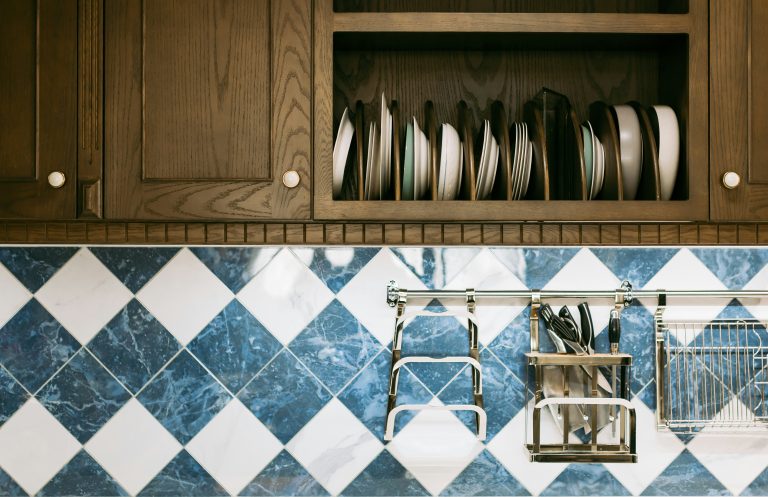
Your kitchen cupboards endure a lot of wear and tear. Between spills, grease, and daily use, they can quickly accumulate dirt and grime. Regular cleaning not only keeps your kitchen looking fresh but also ensures that your cupboards remain in good condition. Follow this simple, step-by-step guide to clean your kitchen cupboards thoroughly!
Step 1: Empty the Cupboards
Before you start cleaning, remove everything from your kitchen cupboards. This is a great opportunity to declutter, get rid of expired food items, and reorganize your kitchen essentials. Take out dishes, food, or any other items stored in the cupboards.
Step 2: Dust the Exterior
Start by dusting the outside of the cupboards. Use a soft cloth or microfiber duster to gently remove dust and debris. Pay attention to corners and edges where dirt can accumulate. If your cupboards have handles or knobs, be sure to wipe them as well.
Step 3: Clean the Surfaces
For the exterior of the cupboards, you can use a mixture of warm water and mild dish soap. Dip a cloth into the soapy water, wring it out, and wipe down the cupboard doors. For sticky spots, like grease or food residue, use a mixture of vinegar and water or a commercial kitchen cleaner. Avoid using harsh chemicals that could damage the finish of your cupboards.
Step 4: Tackle the Inside
Now it’s time to focus on the inside of your cupboards. Use a damp cloth to wipe down the shelves. For stubborn stains, create a paste using baking soda and water, and gently scrub with a sponge or soft brush. Don’t forget to clean the corners where crumbs and debris can hide.
If your cupboards have removable shelves, it’s a good idea to take them out and clean them separately. You can wash them in the sink with warm soapy water or wipe them down with a damp cloth.
Step 5: Dry Everything Thoroughly
Once you’ve finished cleaning, it’s important to dry all surfaces completely. Use a dry towel or cloth to wipe down the interior and exterior of the cupboards. This will prevent moisture from causing damage or mildew.
Step 6: Organize and Return Items
Before putting your items back into the cupboards, take a moment to organize. Group similar items together and consider using shelf liners to prevent spills and make future clean-ups easier. Use clear containers for storing food to keep things neat and visible.
Additional Tips:
- For Wooden Cupboards: Wood requires extra care. Avoid soaking wooden cupboards in water. Instead, use a gentle wood cleaner or a mix of olive oil and vinegar to preserve the wood’s natural shine.
- For Greasy Cupboards: If you have a buildup of grease from cooking, a solution of vinegar and water or dish soap and baking soda can be helpful. For extreme grease, consider using a commercial degreaser.
- Prevent Future Messes: To make future cleaning easier, consider applying a protective finish or a sealant to your kitchen cupboards to prevent stains or grease from sticking to the surface.
