
How to Clean Your Oven: A Step-by-Step Guide
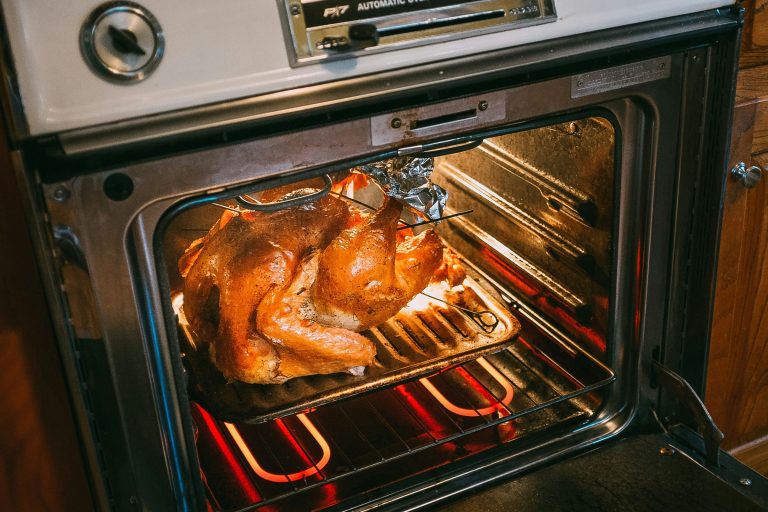
Your oven works hard to cook up all sorts of delicious meals, from quick weeknight dinners to holiday feasts. But over time, grease, food splatters, and burnt-on residue can build up. If you’re ready to restore your oven to its pristine condition, this step-by-step guide will walk you through the cleaning process, ensuring your oven shines like new.
Why You Should Clean Your Oven Regularly
A clean oven is essential not only for aesthetic reasons but also for maintaining the efficiency of your appliance. Built up grease and grime can affect the oven’s performance, cause unpleasant odors, and even lead to smoke and fire hazards. Cleaning your oven regularly helps it run more efficiently and ensures that food cooks evenly.
What You’ll Need:
Before diving into the cleaning process, gather these supplies:
- Baking soda
- White vinegar
- Water
- Dish soap
- Rubber gloves
- A sponge or soft cloth
- A plastic scraper or spatula (optional)
- Old towels or rags
- Spray bottle (optional)
Step 1: Prepare the Oven
Turn off and cool down the oven
If the oven has been recently used, ensure it’s completely cool before cleaning. This prevents burns and makes it easier to tackle tough spots.Remove oven racks
Take out the oven racks and set them aside for separate cleaning. You can clean them while the oven itself is soaking.Cover the floor
Place an old towel or a few layers of paper towels on the floor to catch any drips or debris that might fall out during the cleaning process.
Step 2: Make a Baking Soda Paste
Mix the paste
In a small bowl, mix ½ cup of baking soda with a few tablespoons of water until you have a thick paste. You’ll want it to be spreadable but not too runny.Apply the paste
Using a sponge or a cloth, apply the baking soda paste generously to the interior of your oven, avoiding the heating elements. Pay extra attention to areas with heavy grease or food buildup. Let the paste sit for 20-30 minutes. For stubborn areas, you may want to let it sit longer—up to overnight.
Step 3: Clean the Oven Racks
Soak the racks
While the oven paste is working its magic, soak the oven racks in warm, soapy water. Fill your bathtub or a large sink with enough water to fully submerge the racks. Add a few squirts of dish soap and let them soak for at least an hour.Scrub the racks
After soaking, use a scrubbing brush or sponge to remove any remaining grime. You can also use a plastic scraper to remove stubborn spots.
Step 4: Wipe Down the Oven
Wipe away the baking soda paste
After letting the paste sit, dampen a cloth with warm water and start wiping away the baking soda mixture. For areas where the paste has dried and hardened, you can gently scrape the buildup off using a plastic scraper.Spray with vinegar
Once most of the paste has been removed, fill a spray bottle with white vinegar and spray it inside the oven. The vinegar will react with any remaining baking soda, fizzing up and loosening the grime. Wipe it down again with a damp cloth until all the residue is gone.
Step 5: Clean the Oven Door
Clean the glass
If your oven door has glass, it’s essential to give it a good scrub as well. Make another batch of the baking soda paste and apply it to the glass. Let it sit for 15-20 minutes, then scrub it with a sponge or soft cloth.Polish the glass
For a streak-free finish, spray some vinegar on the glass and wipe it clean with a microfiber cloth.
Step 6: Replace the Racks and Final Touches
Dry the racks
Once the racks are clean and dry, place them back into the oven.Wipe down the exterior
Finish the job by wiping down the oven’s exterior with a damp cloth and a little dish soap. Don’t forget to clean the oven’s knobs, handles, and any other surfaces that may have accumulated grease or grime.
Tips for Maintaining a Clean Oven
Use a liner: Consider placing an oven liner on the bottom of your oven to catch spills and drips, making future cleanups easier.
Clean up spills immediately: As soon as a spill happens, clean it up while the oven is still warm. This will prevent it from baking onto the surface and becoming difficult to remove.
Self-cleaning function: If your oven has a self-cleaning function, use it regularly to burn off grease and food residues. However, it’s still important to perform manual cleanings from time to time to keep the oven in top shape.
Conclusion
Cleaning your oven might seem like a daunting task, but with the right tools and a little time, you can keep it sparkling clean and smelling fresh. Regular maintenance will extend the life of your appliance, improve cooking performance, and keep your kitchen hygienic and odor-free.
