
How to Clean Marks from Walls or Ceilings (Without Damaging the Paint)
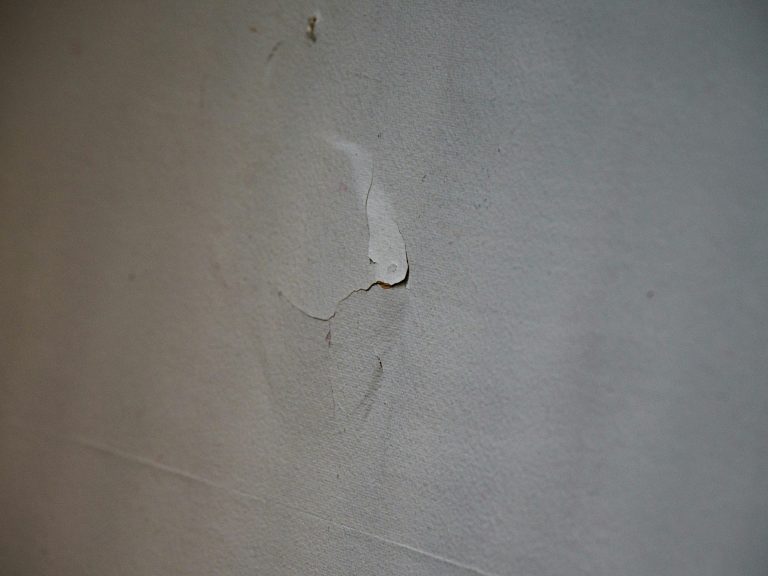
Black marks on walls or ceilings can be a real eyesore. Whether it’s from scuffing shoes, smoke, greasy fingers, or accidental smudges, those dark streaks tend to draw attention in all the wrong ways. The good news? You don’t need to repaint the entire surface to make it look fresh again. With the right tools and a bit of know-how, you can clean up most black marks easily—without harming your paint or finish.
Here’s how to safely remove black marks from walls or ceilings.
Step 1: Identify the Type of Stain
Before diving into cleaning, it’s helpful to figure out what kind of mark you’re dealing with. Common culprits include:
Scuff marks (from shoes or furniture)
Soot or smoke stains (often from candles, fireplaces, or kitchens)
Grease or fingerprints
Crayon or pencil marks (thanks, kids!)
Knowing what caused the mark helps you pick the best cleaning method.
Step 2: Start with the Gentle Options
Always start with the least abrasive option—you want to clean the mark, not strip the paint.
What You’ll Need:
Soft microfiber cloth or sponge
Warm water
Mild dish soap
Baking soda
Magic eraser (use sparingly)
White vinegar (for tough grease)
Ladder (for ceilings, safety first!)
Method 1: Soap and Water
Mix a mild solution: Add a few drops of dish soap to a bowl of warm water.
Dip and wring: Use a soft cloth or sponge and wring it out well—too much water can damage the wall or drip from the ceiling.
Gently wipe: Rub the mark in small circular motions.
Dry it off: Pat the area dry with a clean towel.
Great for: General grime, smudges, fingerprints.
Method 2: Baking Soda Paste
Make a paste: Mix baking soda with a bit of water to create a thick paste.
Apply gently: Dab it on the black mark and rub lightly with a sponge or soft cloth.
Wipe clean: Use a damp cloth to remove the residue.
Great for: Scuff marks and mild stains.
Method 3: Magic Erasers
Use this as a last resort—magic erasers are slightly abrasive and can take off paint if overused.
Wet the eraser: Squeeze out any excess water.
Test first: Try a small, hidden area to check if it affects the paint.
Gently rub: Lightly go over the mark until it fades.
Great for: Crayon, tough scuffs, stubborn marks.
Method 4: White Vinegar Solution (For Grease or Smoke Stains)
Mix it up: Combine equal parts white vinegar and warm water.
Spray or dab: Apply to the mark with a cloth or sponge.
Rinse: Wipe the area with a damp cloth afterward.
Great for: Greasy kitchen spots or smoke residue on ceilings.
When to Repaint Instead
If the black mark has deeply stained the wall, or if cleaning has dulled the finish, a small paint touch-up might be your best option. Just be sure to use the same type and sheen of paint.
Final Tips
Always test any method on a small, hidden area first.
Avoid harsh chemicals or abrasive scrubbers unless absolutely necessary.
Work gently—scrubbing too hard can remove the paint or create a shiny spot.
Black marks are frustrating, but they don’t have to be permanent. With these simple techniques, you can restore your walls and ceilings to their clean, bright state—and keep your home looking its best.
