
The Ultimate Guide to Pantry Cleaning
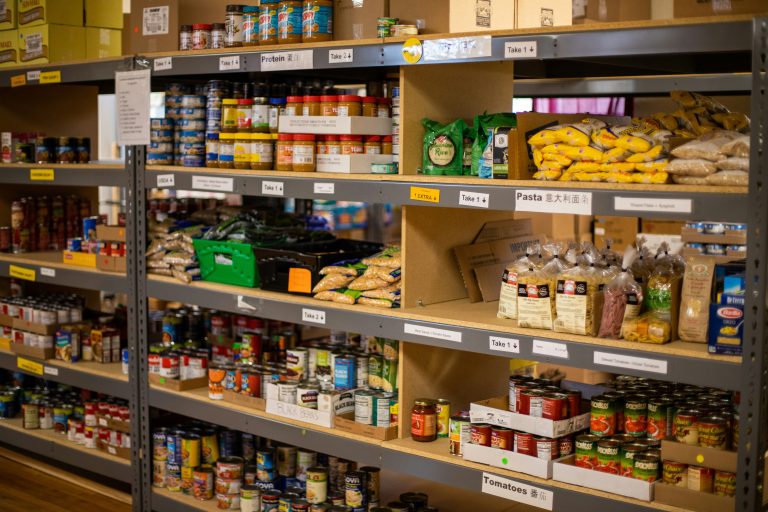
A clean pantry is more than just a space to store food — it’s the heart of your kitchen, the place where your culinary creativity begins. However, over time, pantry items can accumulate, and organization often falls by the wayside. If it’s been a while since you’ve tackled your pantry, don’t worry! A deep pantry clean will not only help you rediscover what’s hiding in your shelves but also ensure your food stays fresh and easily accessible.
Why You Should Clean Your Pantry Regularly
A clean pantry has several benefits:
- Better organization: You’ll be able to find what you need without digging through piles of old boxes.
- Increased food safety: Proper storage reduces the risk of expired or spoiled food.
- Maximized space: When everything is organized, your pantry will seem roomier and more functional.
- Reduced food waste: By sorting through your pantry, you can use up older items before they expire.
Step 1: Empty Everything Out
The first step in cleaning your pantry is to clear it out. This may feel overwhelming, but it’s the best way to assess the condition of your food and reorganize your space.
Take everything out of your pantry, including cans, boxes, jars, and even small appliances. As you do this, check for expired items, signs of pests, or packaging that’s been damaged. Make a pile of items that need to be thrown away, and set aside anything that’s still good.
Step 2: Clean the Shelves
Now that your pantry is empty, it’s time to clean! Wipe down each shelf with a mild cleaner or a mixture of water and vinegar. Pay special attention to corners and crevices where crumbs and dirt can accumulate. A microfiber cloth or a damp sponge works best for this job. Once everything is clean, dry the shelves thoroughly.
Step 3: Check for Expired or Unusable Food
Go through every item you’ve pulled from your pantry. Check expiration dates and look for any food that’s past its prime. If an item is partially used, assess whether it’s still safe to consume. Don’t forget to check for anything that may have been opened but forgotten, like bags of flour or cereal.
Throw out anything that’s expired, moldy, or damaged. If you find items you won’t use, consider donating them, but only if they’re still in good, unexpired condition.
Step 4: Organize by Category
Once you’ve gotten rid of the old stuff, it’s time to organize the remaining food. Here are a few tips for keeping your pantry neat and easy to navigate:
- Group similar items together: Keep canned goods, snacks, spices, pasta, and grains in separate areas.
- Use clear containers: For items like rice, pasta, or snacks, use clear containers to keep everything visible and prevent pests.
- Label everything: Labeling can make a huge difference in keeping your pantry organized. Add expiration dates or purchase dates to ensure you’re rotating older products first.
- Utilize pantry organizers: If you have space, invest in pantry baskets, lazy Susans, or tiered shelves to maximize your storage.
Step 5: Maintain the Cleanliness
The hardest part is over! Now that your pantry is clean and organized, the key is maintaining it. Regularly check for expired food, and give it a quick wipe-down when needed. It also helps to review your pantry every few months to keep things in check.
Conclusion
Cleaning your pantry doesn’t have to be a daunting task. By following these steps, you’ll not only enjoy a tidy and functional pantry but also extend the life of your food and reduce waste. Take the time now, and your future self will thank you!